The practice

Member lesson

Working with clients who have no taste

Lesson 6 of 11 in The practice.

How to Handle Client Objections · Michael Janda
Lesson

The premise is usually wrong, which is worth saying first. A client who cannot articulate why something is bad may simply lack the vocabulary, and supplying the vocabulary is part of the job. The family bakery in How to read a client's brief shows how. It asked for a new logo because the old one looked dated, which sounds like taste, and a few questions later the real objection was that wholesale buyers could not tell its loaves from the supermarket's once the bread sat on a café counter.
discoveryaskbriefagreeconceptswidenrefinenarrowhandoverlet gothe widest point is the cheapest place to be wrong
The arc of a project, with the widest point in the middle and one narrowing at each end.
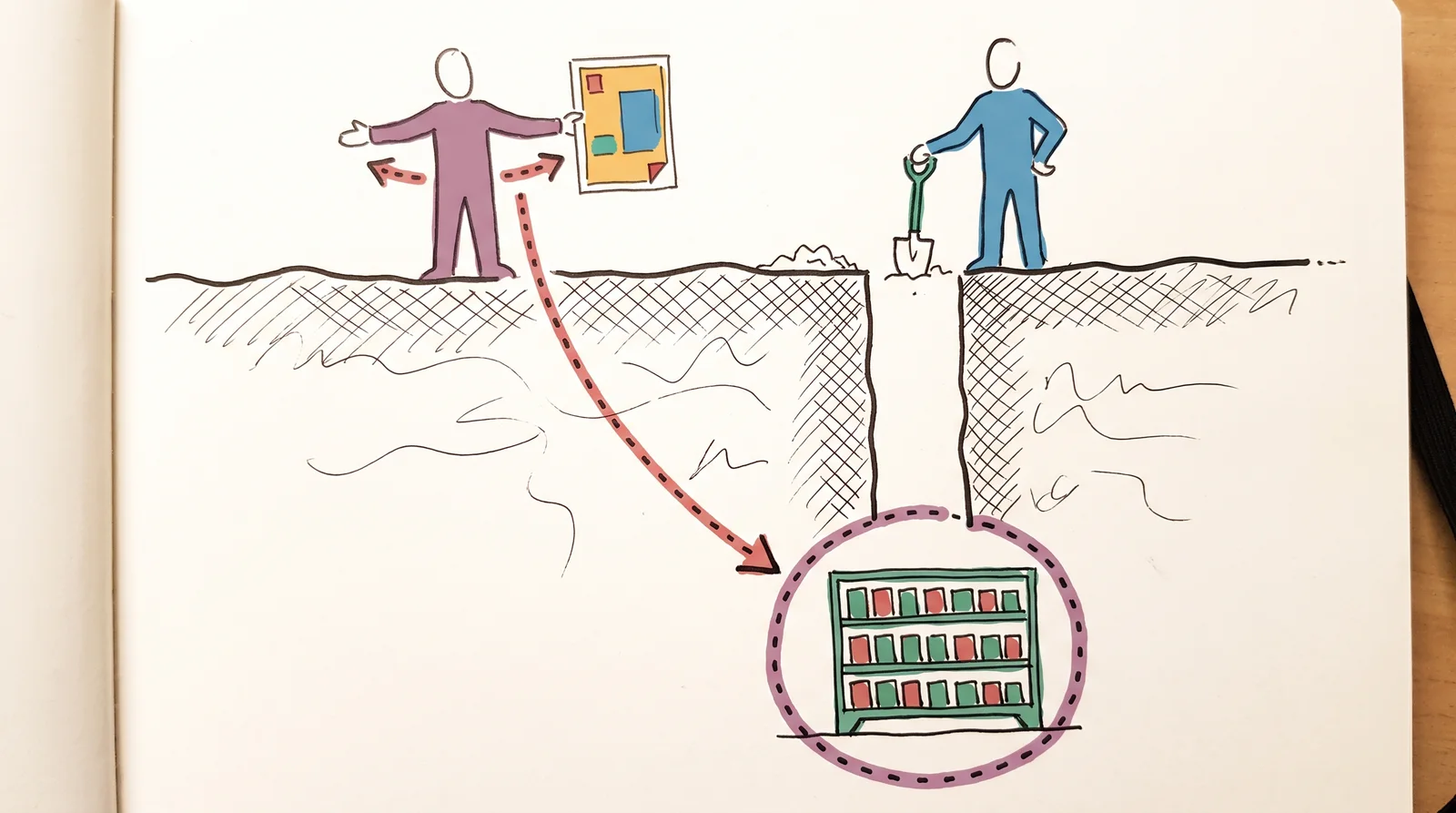
A cross-section doodle of a client gesturing for a bigger logo above ground, with a designer digging a shaft down to a buried scene of a shelf of lookalike packs.
A client asks for a bigger logo. Dig one level under the request and the real worry appears: nobody will be able to tell that this pack is theirs.
Member

The rest of this is for members.

You have read the opening of this lesson. The rest of it comes with a membership.

One membership covers all four courses and Brands.

  • All lessons in the four Learn courses
  • All brand breakdowns in the Brands section
  • All quizzes, flashcards and crosswords
  • An AI teacher on every lesson, for up to 60 questions a day
  • All course material published during the membership

Price

Membership is from $12 a month on the Yearly plan, which is charged at $144 once a year. Lifetime access is $59, paid once.Membership is from ₹200 a month on the Yearly plan, which is charged at ₹2,400 + GST once a year. Lifetime access is ₹3,999 + GST, paid once.

Check what stuck

Members only

You can't take this check yet.

Members answer these 3 questions and keep the ticket for this lesson. Every lesson has one.

  1. Question 1, locked

    A studio presents a route without having agreed any criteria beforehand. What tends to happen in the review?

    • The client defers to the studio, because with nothing written down the designer is the only expert in the room
    • The client asks for a second route, because one option always reads as an unfinished presentation
    • The review defaults to preference, and preference wins because it never has to explain itself
    • The work gets judged against the competitors, because that is the only comparison left available
  2. Question 2, locked

    Which of these words means this? “What the client says is wrong. Almost never the actual problem.”

    • Consolidated feedback
    • The stated objection
    • The real objection
    • The single decider
  3. Question 3, locked

    Which of these words means this? “What is actually wrong, usually a fear about risk, cost or someone else's opinion.”

    • Moodboard
    • Rationale
    • The real objection
    • Single route

Elsewhere in the library

Hear about new courses.

Leave an email and we will tell you when something new lands. We do not write often.